Choosing the best website platform for your business.

The “best website platform” isn’t a universal decision.
It’s the platform that fits your business goals and the people who will actually maintain the site after launch.
Because the platform that looks perfect on paper can become a mess in real life if every update requires a developer… or if your team avoids touching it because they’re afraid to break something.
Let’s make the decision simple.
Start Here: What Does Your Website Need to Do?
Before you pick a platform, get clear on two things:
- What is the primary job of your website? (sell, generate leads, educate, book calls, etc.)
- Who is responsible for updating it? (marketing, admin, designer, developer, you)
Those two answers usually point you to the right platform faster than any “top 10” list.
The Simple Platform Guide (Match the Platform to the Job)

Shopify: Best for ecommerce-first businesses
If your website’s main purpose is selling products online, Shopify is one of the strongest options because it’s built for commerce.
Best for:
- Online stores + product catalogs
- Checkout + payment processing
- Inventory, shipping, taxes, discounting
- Scaling ecommerce with apps + integrations
Pick Shopify when: your website is primarily a store and you want a platform designed to handle ecommerce without duct tape.
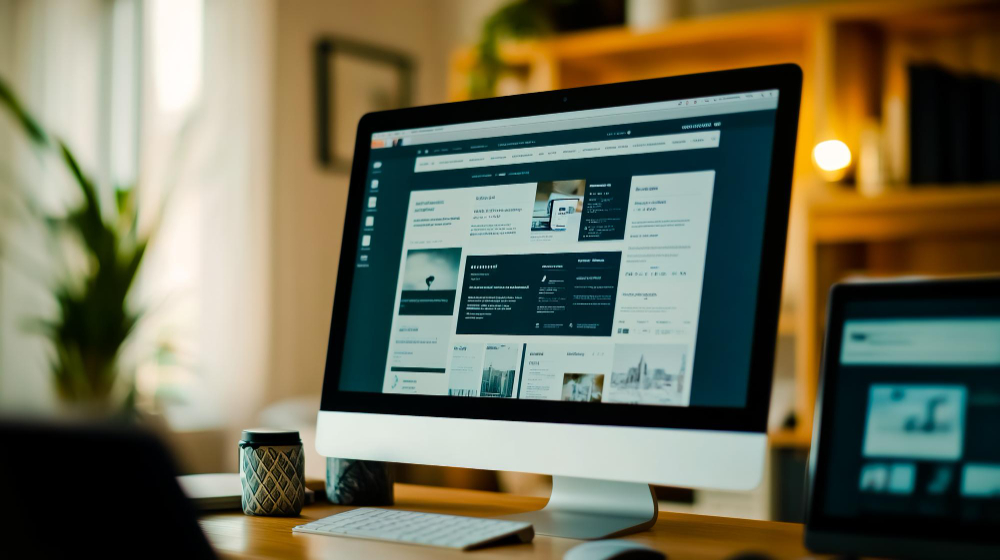
WordPress: Best for content-driven marketing + SEO
If your business relies on publishing content, ranking in search, and building authority over time, WordPress is a great fit—especially when it’s built and maintained properly.
Best for:
- Blogging + content hubs
- SEO control (URLs, metadata, structure, plugins)
- Custom features (with the right build approach)
Pick WordPress when: content and SEO are central, and you have someone who can handle maintenance responsibly (or a partner like us who can).

Squarespace or Wix Studio: Best for simple sites + tight budgets + easy management
If you need a clean, professional website quickly—and you want it to stay easy—Squarespace or Wix Studio can be a smart choice.
Best for:
- Service businesses
- Basic marketing sites (“brochure” sites)
- Portfolios and simple pages
- Teams that want low-maintenance editing
Pick Squarespace/Wix when: simplicity matters more than customization, and you want something your team can manage confidently.
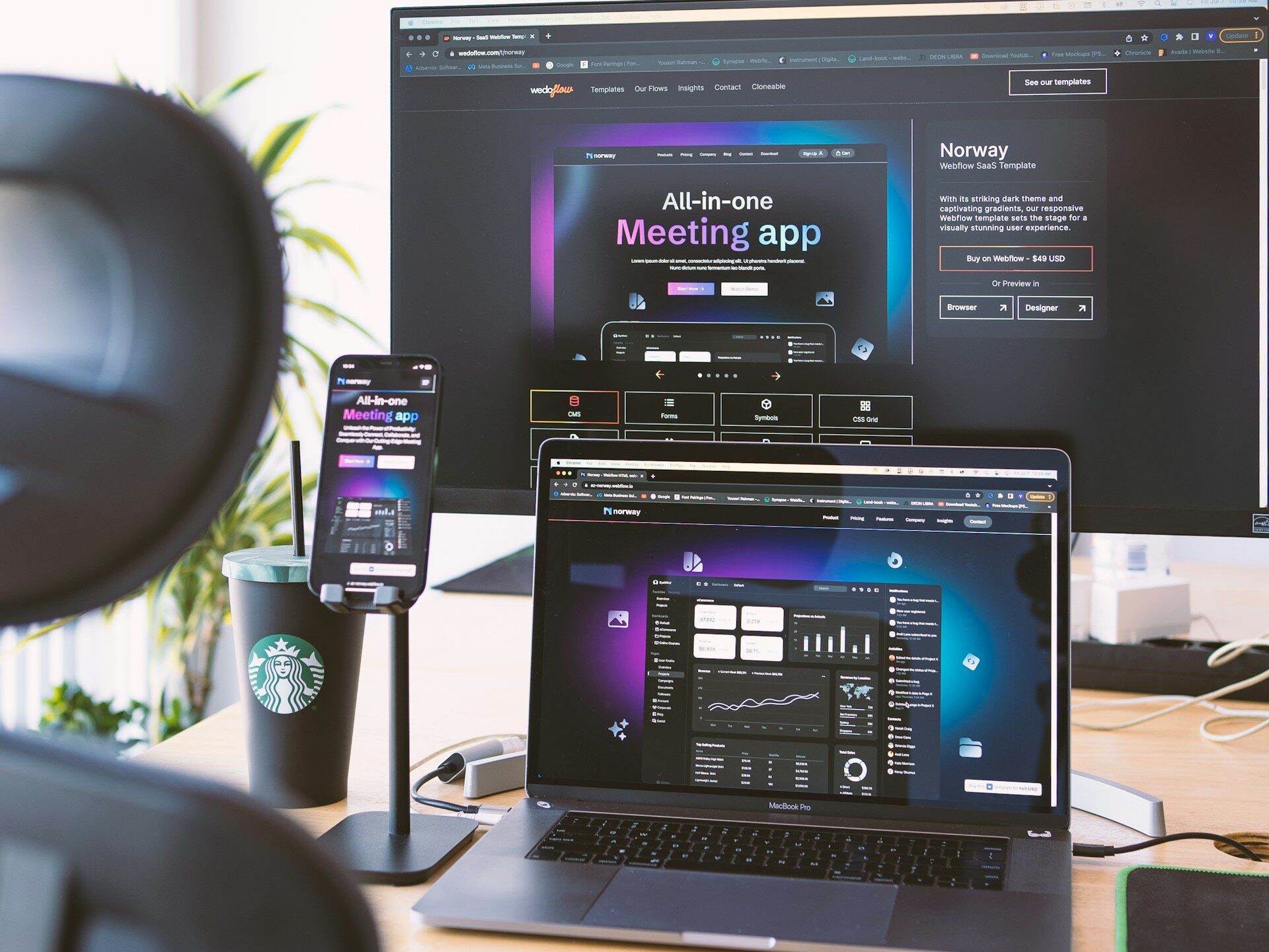
Webflow: Best for high-design marketing sites with clean structure
If you care a lot about design control and want a modern marketing site that’s built cleanly, Webflow is a strong option—when it fits your workflow.
Best for:
- Custom marketing sites
- Strong layout/design control
- Clean builds with reusable sections
Pick Webflow when: design quality is a priority and someone on your team (or your partner) can maintain it without creating chaos.
The #1 Mistake Businesses Make When Choosing a Platform
Picking a platform based on what someone likes… instead of what your business needs—and who has to update it.
That’s how you end up with:
- A site no one wants to touch
- Expensive “simple changes”
- Plugins/apps stacked until things break
- A platform that becomes a bottleneck instead of a tool
If you want the best platform for your business, ask this:
What will keep my website easy to update six months from now?
Because that’s what determines whether the site stays useful—or becomes a problem.
Ready for a new website? Start with these questions.
- Is ecommerce the main function of the site?
- Will SEO/content marketing drive growth long-term?
- Who will update the site weekly or monthly?
- Do you need custom design control or is a template fine?
- What happens if updates become painful (or get ignored)?
The clearest platform choice is usually the one that supports your goals and fits your team’s bandwidth.
How NWPC Marketing Solutions helps you choose the best website platform for your business.
Our team can design, develop, and maintain websites on any platform as needed—Shopify, WordPress, Webflow, Squarespace, Wix Studio, and beyond.
What that means for your business:
- Platform-agnostic recommendations: we suggest what fits your goals and internal bandwidth—not what’s trendy
- Design that converts: clear messaging, modern UX, and layouts built to drive action
- Clean development: structured builds that avoid future headaches and reduce long-term maintenance
- Ongoing support + maintenance: updates, fixes, improvements, and help when you need changes—without your site becoming fragile
If you already have a website, we can also audit what you have, identify what’s slowing you down (or creating risk), and map a clear plan forward.